
Planning for the later parts of life usually starts quietly. It is one of those topics people push aside until something happens that brings it forward. In the United States, many families notice how fast living costs rise and they begin to look at future expenses in a different way. Even people who believe they are prepared sometimes worry about leaving unexpected bills behind. That feeling, the worry about adding pressure to loved ones, pushes many to explore simple and practical options.

That is where final expense insurance often comes in. The idea is not complicated. People look for something that removes confusion and gives a bit of comfort. A plan that does not bury them in paperwork or long explanations. Something steady that helps when families are dealing with emotional moments and do not want to think about money at the same time.
Funeral costs continue to increase too. The National Funeral Directors Association shared that the median price of a funeral with burial reached around 8,300 dollars in 2023.
Seeing a number like that can change the way someone thinks about planning ahead. It becomes more about protecting family than anything else.
This blog explains what the coverage is, why many Americans are choosing it, and how it helps families handle important responsibilities.
What Exactly Is Final Expense Insurance?
At the simplest level, final expense insurance is a small life insurance policy meant to take care of end of life expenses. It helps with funeral arrangements, medical bills that remain, or anything that comes up unexpectedly. Some people call it burial insurance. Others use the term funeral insurance. The name may change, but the purpose stays the same.
One of the main reasons people like this policy is its simplicity. The coverage amount is usually modest, the approval process is easier than many traditional policies, and monthly payments stay predictable. Seniors often prefer something that does not come with extra worries or detailed medical exams.
A lot of policyholders choose roughly around 10,000 dollars in coverage because that amount tends to match common end of life costs without making premiums too heavy.
It is a middle ground that fits many households.
Why Americans Are Choosing Final Expense Insurance Today
People choose this coverage for different reasons. Some reasons are emotional. Some practical. Often a bit of both.
Rising Funeral Costs
Funeral prices rise often, and families feel the impact during difficult moments. Having a plan in place means fewer surprises.
Easier Approval
Traditional life insurance can be harder to qualify for later in life. Health issues or age can get in the way. Final expense insurance removes many of those barriers.
Predictable Monthly Payments
Predictability matters for anyone living on a fixed income. Knowing what to expect each month makes planning easier.
Support for Loved Ones
Families feel relief when they do not have to deal with sudden bills. The emotional weight becomes slightly lighter.
How Final Expense Insurance Works
One reason this coverage appeals to so many is how uncomplicated it is.
Coverage Amount
Most policies sit between 10,000 and 20,000 dollars. Many people lean toward 10,000 dollars because it usually covers the basics without raising monthly premiums too much.
Monthly Premiums
Before choosing a plan, many people search for final expense insurance cost to get an idea of the monthly range. Seniors often pay between 30 and 100 dollars per month, based on age and coverage amount.
Payout Process
After the insured person passes away, the payout goes to the chosen beneficiary. Families use it however they need. Funeral costs, medical bills, or anything else that requires attention.
Types of Final Expense Policies
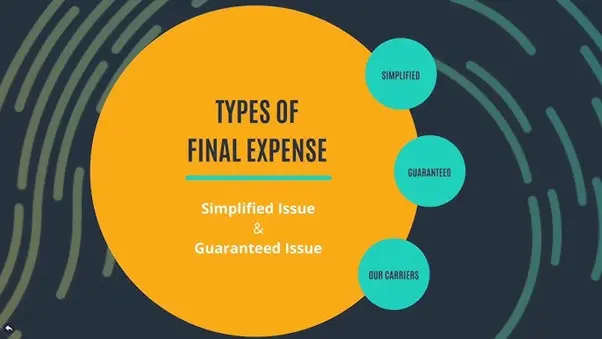
Two main types appear often, each fitting different situations.
Simplified Issue
This version asks a few health questions but does not require a medical exam. Premiums tend to be lower since the insurer has some basic information.
Guaranteed Issue
This version does not ask about health at all. Almost anyone can qualify. Premiums are higher and there may be a short waiting period.
Both types offer access to coverage for people who may not qualify for larger plans.
Cost Breakdown: Understanding Final Expense Insurance Quotes
Many seniors begin their research by looking for final expense insurance quotes online. They want to understand what fits their budget.
Age
Older applicants usually pay more. This follows most insurance models.
Coverage Amount
Higher coverage brings higher premiums. Many select an amount that sits comfortably with their monthly income.
Health
Simplified issue plans may ask a few general questions. Guaranteed issue plans skip them, though the cost reflects that convenience.
Comparing different quotes helps people find a plan that feels right for their situation.
Who Should Consider Final Expense Insurance?
This type of insurance works well for people who want something small and manageable. It helps those who want to plan ahead, avoid leaving sudden expenses for family, and keep monthly payments steady. It is also helpful for those who may not qualify for more traditional life insurance policies.
A lot of seniors choose it, but many people in their fifties or early sixties are also beginning to prepare earlier.
Is Final Expense Insurance Worth It?
For many families, it is. The policy fills a real need. It reduces financial pressure and gives families room to focus on what matters during difficult times.
With funeral costs rising across the country, a plan that covers essential expenses can make a noticeable difference in how smoothly things go.
Conclusion
Preparing for the future can bring a sense of relief once the details are sorted out. Final expense insurance offers a simple and steady way to cover essential end of life costs. It supports families at a time when clarity matters most.
A policy that fits well can remove financial pressure and help loved ones manage responsibilities with more peace. It is a thoughtful choice that ensures everything important is handled when it needs to be.